
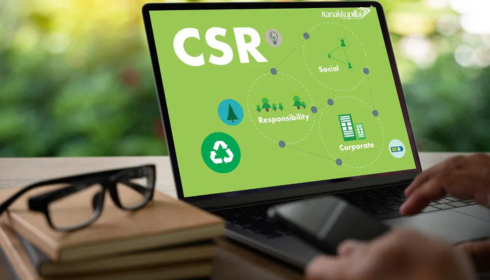
Corporate Social Responsibility, or CSR, moves social contribution from voluntary charity to a more structured legal obligation for certain companies. Where CSR laws exist, qualifying companies must spend a specified percentage of their profits on approved social causes like education, health, environment or community development.
Boards usually set up CSR committees to design and monitor projects. The company can implement programmes directly or through registered NGOs and foundations, but money must be used for genuine activities, not disguised marketing or benefits to insiders.
Non-compliance doesn’t always mean immediate criminal action, but repeated failure, misuse, or false reporting can attract penalties, reputational damage and regulatory attention. Annual reports and statutory filings often require detailed CSR disclosures — how much was required, how much was spent, and on what.
For the public, CSR is a way to see whether profitable companies are contributing back to society in a structured way. For companies, it’s an opportunity to align brand, values and long-term community impact, provided the legal framework is followed honestly.