
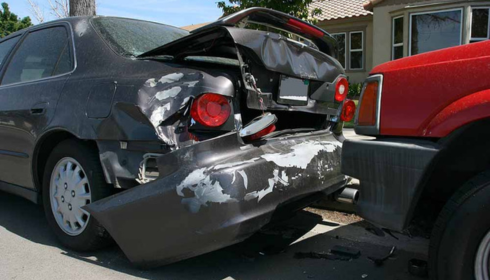
After a car accident in Phoenix, many injured drivers expect the claims process to move quickly. Police reports are filed, insurance information is exchanged, and medical treatment begins. What often comes as a surprise is how long it can take for a claim to resolve. A personal injury attorney in Phoenix regularly sees frustration build as weeks turn into months, especially in cases involving serious injuries or freeway crashes.
Phoenix’s traffic patterns, insurance practices, and injury complexity all contribute to longer timelines. Claims are rarely delayed for a single reason. Instead, they slow down because multiple factors must be evaluated before a fair outcome is possible. Understanding why delays occur helps injured drivers avoid missteps that can further prolong the process.
Time plays a critical role in injury claims. Rushing a settlement before injuries and damages are fully understood often leads to outcomes that fail to account for long-term consequences.
Injury severity requires medical stabilization.
One of the most common reasons Phoenix car accident claims take longer is the need for medical stabilization.
Serious injuries cannot be accurately valued until doctors understand the whole recovery outlook.
• Injuries involving the spine, head, or joints often require months of treatment before long-term limitations are apparent.
• Ongoing physical therapy or specialist care delays final damage calculations.
• Symptoms may evolve, especially with soft tissue or neurological injuries.
• Future medical needs cannot be estimated accurately until treatment progress is documented.
Hospitals such as Banner – University Medical Center Phoenix and St. Joseph’s Hospital and Medical Center often experience extended treatment timelines, which directly affect claim duration.
Complex accident investigations slow resolution
Accident investigations in Phoenix frequently take longer than drivers expect.
This is especially true for collisions on busy roadways and freeways.
• Crashes on Interstate 10, Loop 101, and State Route 51 often involve multiple vehicles and overlapping jurisdictions.
• Police reports may take weeks to finalize when reconstruction is required.
• Traffic camera footage and vehicle data must be requested and reviewed.
• Construction zones or roadway defects may introduce additional investigative steps.
Until investigations are complete, insurers are reluctant to finalize fault determinations.
Fault disputes delay settlement progress
Arizona’s comparative negligence system allows fault to be shared.
This often leads to disputes that extend negotiations.
• Insurers analyze minor details to assign partial fault to injured drivers.
• Conflicting witness statements require additional review.
• Lane-change and merging collisions create uncertainty over right-of-way.
• Multi-vehicle crashes require allocation of fault across several parties.
Even minor fault disputes can significantly delay claim resolution.
Insurance company review processes add time.
Insurance carriers operate under internal review systems that are not visible to claimants.
These systems often slow progress.
• Claims exceeding certain dollar thresholds require supervisory approval.
• Multiple adjusters review serious injury claims.
• Documentation requests may be issued in stages rather than all at once.
• Negotiation authority may be limited early in the process.
These internal procedures extend timelines regardless of claim strength.
Medical documentation takes time to assemble
Complete medical records are essential for evaluating a claim.
However, gathering them can be slow.
• Multiple providers must release records separately.
• Imaging centers and specialists may have longer processing times.
• Billing records often lag behind treatment dates.
• Updated evaluations may be required to reflect recovery progress.
Incomplete records prevent accurate valuation and delay negotiations.
Phoenix traffic patterns increase claim complexity
Phoenix traffic conditions contribute directly to claim delays.
Congestion and high-speed corridors create complex accident scenarios.
• Freeway crashes often involve higher injury severity.
• Rush-hour collisions increase multi-vehicle involvement.
• Construction zones complicate fault analysis.
• Heat-related fatigue increases disputed causation arguments.
Insurers frequently cite these conditions when extending investigations.
Policy limits and coverage issues slow progress
Coverage questions often arise in Phoenix car accident claims.
These questions must be resolved before settlement.
• Minimum policy limits may be insufficient for serious injuries.
• Multiple policies may apply in rideshare or commercial cases.
• Uninsured or underinsured motorist coverage may be involved.
• Coverage disputes require additional insurer coordination.
Resolving coverage issues can add months to a claim.
Negotiation strategies affect timelines
Settlement discussions are rarely immediate.
Negotiations often occur in phases.
• Initial offers may not reflect full damages.
• Counteroffers require additional documentation.
• Adjusters may wait for medical stabilization before increasing offers.
• Extended negotiations are common in high-value cases.
Patience during negotiation often leads to more accurate outcomes.
Court schedules influence litigation timelines
When claims move into litigation, court schedules become a factor.
Phoenix injury cases are typically filed in Maricopa County Superior Court.
• Filing deadlines must be met before proceedings begin.
• Discovery phases take several months.
• Depositions and hearings depend on court availability.
• Trial dates may be set far in advance.
These procedural steps naturally extend timelines.
Why rushing a claim often backfires
Attempting to speed up a claim can create long-term problems.
Quick settlements often overlook future costs.
• Medical needs may not be fully addressed.
• Lost earning capacity may be underestimated.
• Pain and lifestyle impacts may be undervalued.
• Financial pressure can lead to unfavorable decisions.
Taking time often protects recovery.
The value of local understanding in managing timelines
Local familiarity helps manage expectations and strategy.
Understanding Phoenix insurers, traffic conditions, and courts adds clarity.
GLG Personal Injury Lawyer applies this local insight to guide injured drivers through realistic timelines rather than false expectations.
Steps drivers can take to avoid unnecessary delays
Specific actions help prevent avoidable slowdowns.
• Follow medical treatment plans consistently.
• Respond promptly to documentation requests.
• Keep detailed records of expenses and symptoms.
• Avoid early settlement discussions before stabilization.
These steps support steady progress.
Why patience leads to better outcomes
Car accident claims in Phoenix often take longer for valid reasons.
Time allows injuries, damages, and fault to be evaluated accurately.
If your claim is taking longer than expected, speaking with Phoenix auto accident attorneys who understand why Phoenix accident cases move slowly can help you navigate the process with clarity and confidence.