
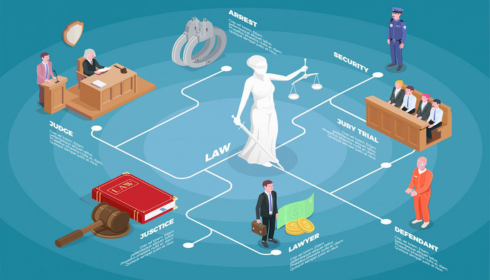
The basic structure doctrine is one of the most important ideas in modern constitutional law. It says that while the legislature can amend the Constitution, it cannot destroy its core features or identity. In simple terms: you can renovate the house, but you can’t knock it down completely.
Courts have identified several principles as part of the basic structure — for example, the supremacy of the Constitution, the rule of law, separation of powers, judicial review, and some aspects of fundamental rights and democracy. This list is not rigidly closed, but these pillars are treated with special care.
When a constitutional amendment is challenged, the court doesn’t casually strike it down. It first checks whether the amendment changes the basic framework or only adjusts details within that framework. If an amendment is found to damage the essential character of the Constitution, it can be declared void.
For ordinary citizens, this doctrine is like a safety lock. It prevents any temporary political majority from rewriting the entire system to suit itself. It keeps long-term stability, fairness and checks and balances intact, even as society evolves and the text of the Constitution undergoes changes.