
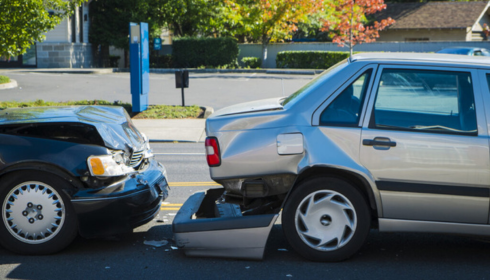
Not all car accidents are evaluated the same way. The type of crash plays a significant role in how injuries occur, how fault is determined, and how insurance companies approach a claim. In Richmond, VA, drivers experience a wide range of collisions, from stop-and-go rear-end crashes on Broad Street to violent rollovers on Interstate 95 or Route 288. Each presents its own set of challenges for injured individuals.
Crash dynamics influence everything from medical treatment timelines to how insurers assess credibility and damages. Insurance companies often make early assumptions based on crash type, sometimes before a complete medical picture emerges. After a serious collision, speaking with a car accident lawyer in Richmond, VA can help ensure those assumptions do not unfairly limit your recovery options.
The Johnson Injury Firm regularly handles injury claims involving different crash types throughout Richmond. Understanding how each collision occurs and why insurers respond differently can help injured drivers and passengers make informed decisions during the claims process.
Rear-end collisions and underestimated injuries.
Rear-end collisions are among the most common crashes in Richmond, especially during peak traffic hours on I-64, I-95, and Midlothian Turnpike. While these accidents are often labeled as minor, the injuries they cause can be serious and long-lasting.
The sudden forward-and-back motion of the body places intense strain on the neck, spine, and shoulders, even at lower speeds.
• Whiplash and cervical strain injuries
• Herniated or bulging spinal discs
• Concussions without direct head impact
• Shoulder and upper back soft tissue damage
Because vehicle damage may appear minimal, insurance companies frequently question the legitimacy or severity of injuries in rear-end cases.
Liability challenges in rear-end crashes
Fault in rear-end collisions is often assumed, but Virginia law allows insurers to dispute responsibility under certain circumstances. This is especially common in Richmond traffic, where sudden slowdowns are frequent.
Construction zones, congestion near Downtown Expressway ramps, and unpredictable merges can all complicate liability.
• Sudden braking due to traffic congestion
• Multi-vehicle chain reactions
• Brake light or signal malfunctions
• Road debris or unexpected hazards
Accurate documentation is essential to prevent blame from being unfairly shifted onto the injured driver.
T-bone collisions and severe physical trauma
Side-impact crashes, commonly known as T-bone collisions, are among the most dangerous types of accidents. These crashes frequently occur at intersections throughout Richmond, including at Hull Street Road, Laburnum Avenue, and Broad Street.
Unlike front or rear impacts, side collisions provide little protection, exposing occupants directly to crash forces.
• Pelvic and hip fractures
• Rib fractures and internal organ damage
• Traumatic brain injuries
• Permanent mobility limitations
These injuries often require hospitalization, surgery, and extended rehabilitation, affecting nearly every aspect of daily life.
Right-of-way disputes in intersection crashes
T-bone collisions almost always involve disagreements over who had the right of way. Traffic signals, signage, and driver behavior all become central issues.
Richmond intersections with complex signal timing or obstructed views often create conflicting accounts of what happened.
• Red-light or stop-sign violations
• Obstructed sightlines from buildings or parked vehicles
• Malfunctioning or poorly timed traffic signals
• Inconsistent witness statements
Resolving these disputes requires clear evidence and careful analysis of the crash scene.
Rollover crashes and catastrophic consequences
Rollover accidents are less common than other crash types, but they are far more likely to result in catastrophic injuries. These crashes often occur on highways like I-95, I-64, and Route 288, where high speeds and vehicle instability increase the risk.
SUVs and trucks are particularly vulnerable due to their higher centers of gravity.
• Spinal cord injuries and paralysis
• Severe traumatic brain injuries
• Crush injuries from the roof collapse
• Ejection-related injuries when restraints fail
Rollover crashes often involve extensive vehicle damage and complex accident reconstruction.
Factors that commonly lead to rollovers
Unlike simple collisions, rollovers are rarely caused by a single issue. Multiple factors often combine to create the conditions for these violent crashes.
Roadway design and maintenance play a significant role in Richmond-area highways and secondary roads.
• Sudden evasive steering maneuvers
• Tire blowouts or mechanical failures
• Uneven pavement or roadway debris
• Vehicle design and weight distribution
Identifying all contributing factors is critical to understanding who may be responsible.
How crash type affects medical treatment timelines
The type of collision often determines how injuries present and how long recovery takes. Rear-end injuries may worsen gradually, while side-impact and rollover injuries are often immediately apparent.
These differences influence both medical care and how insurance companies evaluate claims.
• Delayed symptom onset in soft tissue injuries
• Emergency hospitalization after severe impacts
• Long-term rehabilitation following traumatic injuries
• Permanent limitations affecting employment and daily life
Medical documentation that aligns with crash mechanics strengthens injury claims.
Insurance company strategies based on collision type
Insurance companies tailor their strategies based on the type of crash involved. Rear-end cases are often minimized, while rollover and T-bone cases may be aggressively investigated due to higher potential payouts.
Understanding these approaches helps injured individuals avoid costly mistakes.
• Questioning injury severity in low-damage crashes
• Challenging treatment necessity in soft tissue cases
• Delaying claims involving catastrophic injuries
• Shifting blame in intersection collisions
Being prepared for these tactics reduces unnecessary stress during recovery.
Local courts and procedural considerations
Car accident claims in Richmond may proceed through Richmond General District Court or Circuit Court, depending on the amount of damages sought. Each venue has specific rules and timelines.
Crash location and jurisdiction also affect reporting and evidence requirements.
• Differences in police reporting within city limits
• Monetary thresholds determining court venue
• Scheduling influenced by court calendars
• Evidence standards applied in Virginia courts
Local procedures often shape how quickly and smoothly a claim moves forward.
Steps to take after different types of crashes
Understanding how your crash occurred helps guide your next steps. Each collision type requires careful attention to both medical care and evidence preservation.
• Seek immediate medical care after side-impact or rollover crashes
• Monitor symptoms closely after rear-end collisions
• Preserve vehicle damage and scene evidence
• Obtain intersection or roadway photographs early
These actions help align evidence with the realities of the crash.
How The Johnson Injury Firm evaluates crash-specific claims
The Johnson Injury Firm evaluates injury claims by examining crash mechanics, injury patterns, and Richmond-specific traffic conditions. Each case is approached based on how the collision occurred rather than treating all accidents the same.
Different crashes create different challenges, and understanding those differences matters. If you were injured in a rear-end collision, T-bone crash, or rollover, speaking with a Richmond, VA car accident lawyer can help you understand how your specific accident affects your options. Contact The Johnson Injury Firm to discuss your situation and take the next step forward.